The first morning in a new city has a particular kind of energy. You want to see everything, but you do not yet know which direction is downhill, which famous queue is worth joining, or where the streets become quieter and more interesting. In Porto, that uncertainty is part of the charm—but a little orientation transforms the rest of the trip.
Begin with the story of the city
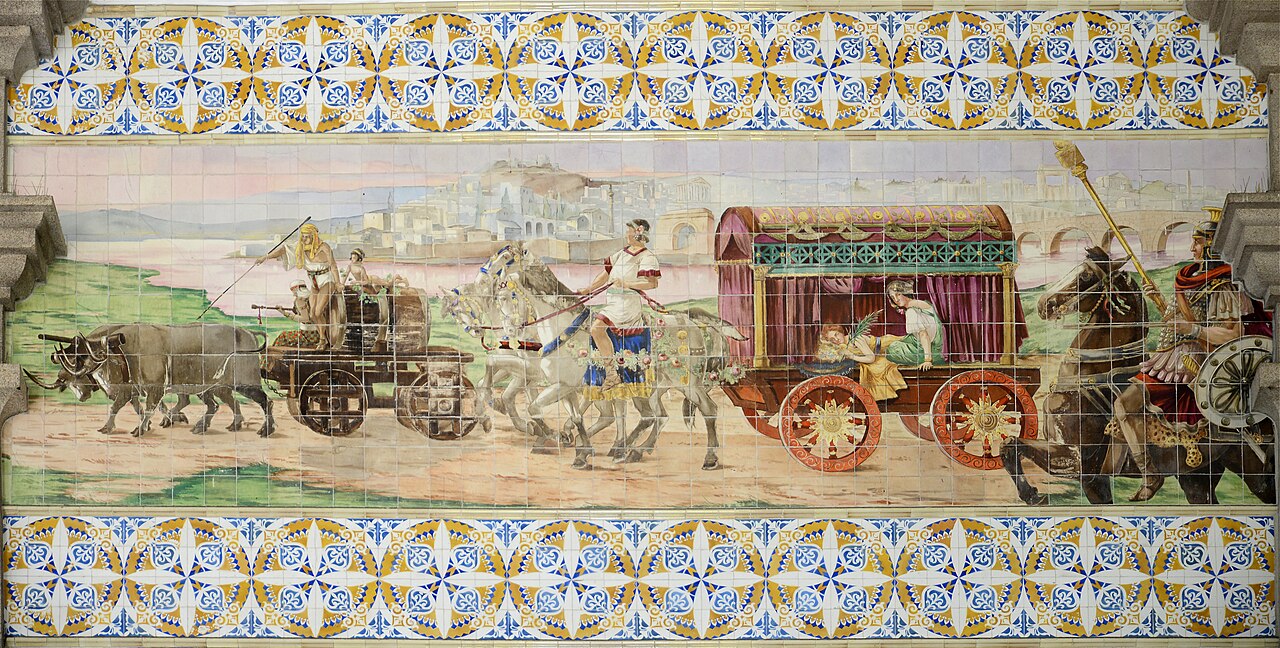
A first-morning walking tour is the most useful way to begin Porto because the city reveals itself through connections. São Bento’s blue-and-white scenes mean more when you understand what they show. The Cathedral makes more sense when you see how medieval Porto grew around it. Ribeira becomes more than a colorful waterfront when you hear how the river shaped work, trade, wine, and daily life.
The goal is not to collect landmarks. It is to build a mental map. Over two relaxed hours, the hills stop feeling random, the river becomes your compass, and the neighborhoods begin to have personalities. You also gain something no saved map can provide: the chance to ask a local where to eat tonight, which cellar suits your style, or what to do when the weather changes.
“The best first day does not show you all of Porto. It gives you the confidence to enjoy the rest of it.”
Our English walking tour is designed for exactly this moment: a friendly pace, central meeting point, space for questions, and useful recommendations you can act on immediately. Book it for the morning if possible. The air is cooler, the streets are calmer, and afterward the whole day is still yours.
Let the river set the pace
After the tour, resist the urge to sprint toward another reservation. Porto rewards a slower lunch. Use one of the recommendations you collected that morning, order something regional, and allow your feet to recover. The city’s steep streets feel very different after food, water, and a little shade.
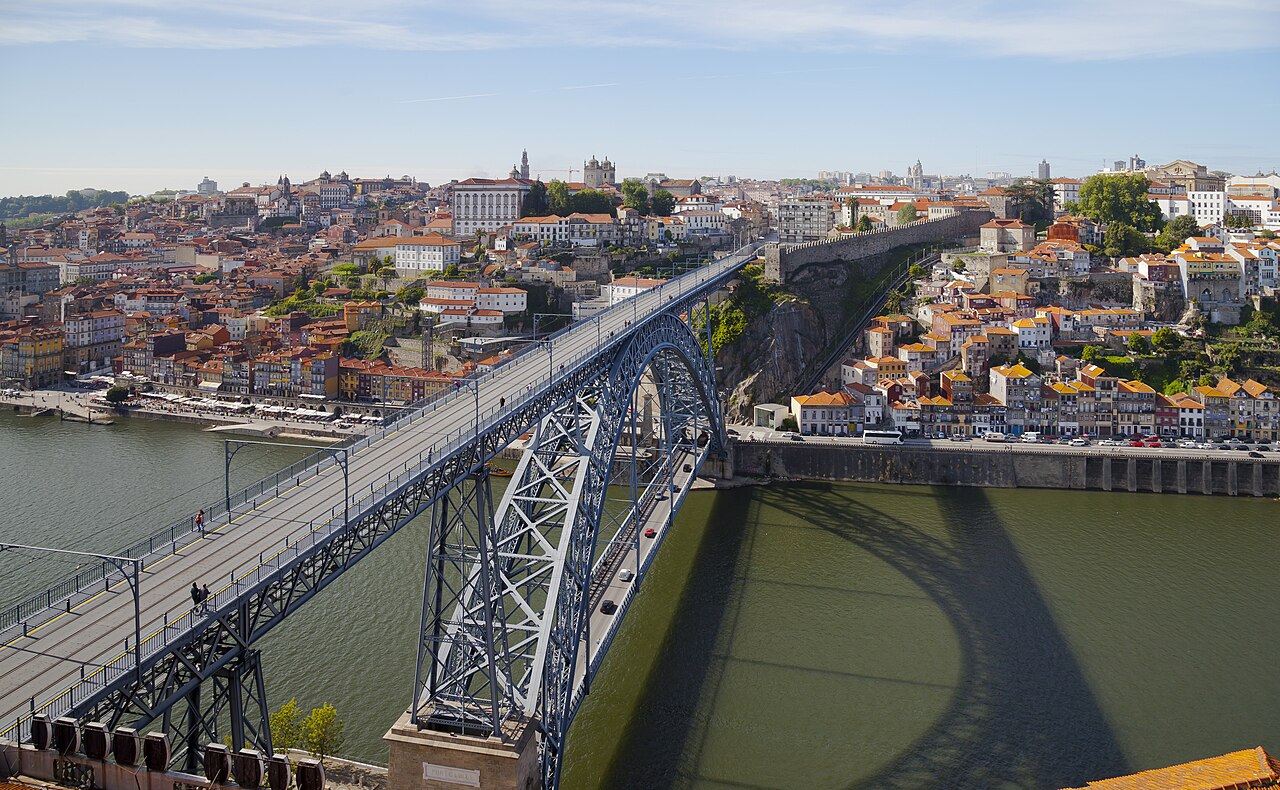
Then choose one direction rather than five. If the weather is clear, stay close to the Douro. Walk through Ribeira without treating it as a finish line, cross the lower deck of Dom Luís I Bridge, and look back from Gaia. That reverse view is one of the fastest ways to understand Porto’s shape: the stacked houses, church towers, old walls, and river traffic suddenly fit together.
If rain arrives, trade the river for a museum, café, cellar, or covered market. A good first day has structure, not rigidity.
If you prefer neighborhoods to river views, turn toward Cedofeita and the streets around Miguel Bombarda. The mood is different: galleries, independent shops, cafés, and more of the everyday city. Either choice works. What matters is giving one area enough time to become memorable.
Choose pleasure over productivity
By early evening, Porto’s slopes have made their argument. This is the moment to stop sightseeing and enjoy the city. Watch the light change over the river, find a small bar for Portuguese wine, or settle into dinner somewhere you chose with help from your guide rather than from the loudest online ranking.
Your first night is not the time to cross town three times. Stay near the area where the afternoon ends. If you are in Gaia, linger for the skyline. If you are in Baixa, choose a restaurant within an easy return to your accommodation. If you still have energy, take a short evening wander with no destination at all.
Porto will still be here tomorrow. Saving something is not missing out—it is creating anticipation.
What usually goes wrong on day one
The most common mistake is believing short map distances mean an effortless day. Porto is walkable, but stairs, cobbles, heat, and repeated climbs accumulate. The second mistake is scheduling every hour before you understand the geography. A lunch booking on one hill, a cellar visit across the river, and sunset on another hill may look reasonable on screen and feel absurd by 5 p.m.
There is also the temptation to queue simply because other people are queuing. Your morning guide can help you decide whether a famous interior matters to you, when to visit, and what nearby alternative delivers the feeling you actually want.
Finally, do not postpone local questions until the final day. Recommendations are most valuable when you still have time to use them. Ask about food, wine, day trips, beaches, music, football, and the places that match your personality—not somebody else’s checklist.
Walk first. Understand the city. Then make Porto your own.
Start with a local introduction and let everything afterward feel easier, more meaningful, and more spontaneous.